Soft Wash vs Pressure Wash vs Window Cleaning: Choosing the Right Method Every Time
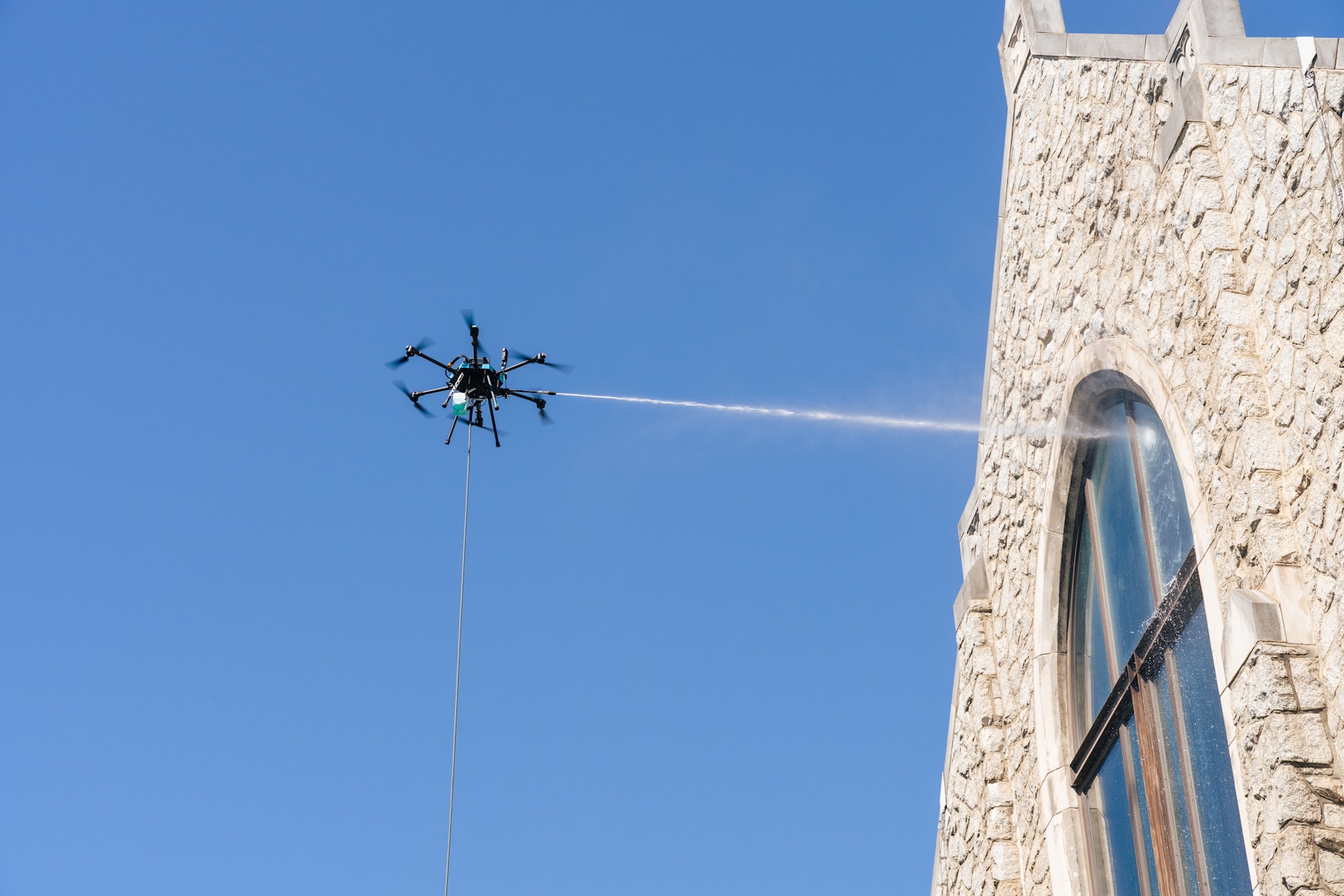
Drone cleaning changes how solutions reach a surface. It does not change the fundamental chemistry and method principles that determine what actually cleans a building. Every exterior cleaning job falls into one of three categories: window cleaning, soft washing, or pressure washing. Each has a different mechanism, different pressure and flow parameters, a different set of surfaces it is suited for, and a different set of surfaces it will damage if misapplied. This post breaks down all three methods in practical detail and walks through a surface-by-surface guide covering glass and glazed surfaces, stucco and EIFS, brick and masonry, metal panels, and concrete. It also covers the most common method selection mistakes in each category and explains why organic growth requires chemical treatment rather than mechanical force regardless of what surface it is growing on. The limestone cautionary story from a real university job illustrates the cost of prioritizing equipment over chemistry knowledge. Built for operators who want to quote and execute with confidence and for buyers who want to understand what separates a professional exterior cleaning vendor from one who causes expensive damage.
This is for drone cleaning operators who want to make confident, well-reasoned method selections on every job, and for property managers and facility directors who want to understand why their cleaning vendor recommends one approach over another. Method selection is one of the highest-stakes decisions in exterior cleaning. The wrong choice does not just produce poor results. It damages surfaces, voids warranties, and destroys client relationships that took significant effort to build. This post gives operators and buyers a clear, surface-by-surface framework for getting it right every time.
The difference between a professional exterior clean and a costly mistake almost always comes down to one decision: choosing the right method for the surface and contamination in front of you. Drone cleaning does not change the fundamentals of exterior cleaning method selection. It makes those decisions more consequential because bad choices executed at height on expensive commercial facades can cause significant damage fast. Every exterior job falls into one of three categories: window cleaning, soft washing, or pressure washing. Each one has different chemistry, different pressure requirements, and a different set of surfaces it works on. Here is how to choose correctly every time.
Soft Wash vs Pressure Wash vs Window Cleaning: Choosing the Right Method Every Time
Drone cleaning does not change what cleans a surface. It changes how safely and efficiently cleaning solutions reach one. The three fundamental exterior cleaning methods still apply to every job, and using the wrong one is one of the most expensive mistakes an operator can make. Here is what each method does, how it works, and when to use it.
Window Cleaning
Window cleaning is designed for glass and glazed surfaces where streak-free results are non-negotiable. The process applies a specialized cleaning solution that breaks down contamination on the glass surface, then rinses with ultra-pure filtered water to prevent mineral deposits and spotting. The critical variable is not pressure. It is water quality. Water that has not been filtered to near-zero parts per million will leave mineral deposits on glass regardless of how well the chemical step performs. Operating pressure for window cleaning typically runs between 800 and 1,200 PSI, which is enough to rinse effectively without risking seal damage or thermal stress on the glass.
The most common mistakes on glass are using unfiltered water, using incorrect chemical ratios, and rushing the rinse step. All three produce spotting and streaking that customers notice immediately and remember for a long time. Streak-free glass comes from chemistry and water quality, not force.
Soft Washing
Soft washing is the correct method for mold, mildew, algae, and organic growth on surfaces that cannot handle high pressure. Stucco, EIFS, painted wood, certain brick types, and most roofing materials all fall into this category. The process applies a chemical solution, typically sodium hypochlorite combined with a surfactant for cling and dwell performance, at low pressure and allows it to sit on the surface for 10 to 15 minutes. During that dwell window, the chemistry kills the organic growth at the root level rather than simply removing what is visible on the surface.
This root-level kill is what makes soft washing results last significantly longer than pressure washing on organically contaminated surfaces. A pressure wash removes the visible growth without treating the root system, which means regrowth begins almost immediately. A soft wash removes both the visible growth and the biological structure underneath it, which extends the clean result substantially. Operating pressure stays under 300 PSI with a flow rate around 10 to 12 gallons per minute. Surface damage risk at those parameters is minimal when dilution is correct and dwell time is respected.
Pressure Washing
Pressure washing uses mechanical force to remove contamination from hard, durable surfaces that can tolerate the pressure involved. It produces immediate visual results and works well on concrete, pavers, and certain metal surfaces. Operating pressure can reach up to 4,400 PSI with flow rates under 8 gallons per minute. The results are visually satisfying and the process is fast.
The limitation is that pressure washing works at the surface level only. It removes what is visible without addressing the biology underneath, which means organic growth returns faster than it would after a soft wash treatment. Pressure washing is the right tool for the right surface and the right contamination type. It is not the right default for every job, and applying it to surfaces that require soft washing can cause real and expensive damage.
Surface by Surface: Matching Method to Material
Glass and Windows
Glass requires window cleaning with filtered water and a specialized cleaning solution at 800 to 1,200 PSI. The single most important variable is water purity. Nothing else matters if the rinse water is leaving mineral deposits. Use deionized or reverse osmosis filtered water and confirm the output reads as close to zero parts per million as possible before starting.
Stucco and EIFS
Stucco and EIFS are among the most damage-prone surfaces in commercial exterior cleaning. They require soft washing at very low pressure, under 200 PSI, with sodium hypochlorite and a surfactant mix that allows proper dwell time. High pressure on these materials strips finish coats, forces water behind the cladding system, and voids manufacturer warranties. There is no job on stucco or EIFS where high pressure is the right answer.
Brick and Masonry
Brick can typically tolerate soft washing or light pressure washing in the 200 to 800 PSI range, but it always deserves a test patch first. Older mortar can be fragile and may not survive even moderate pressure. Acid-based cleaners on brick require careful testing because the wrong acid at the wrong concentration causes permanent discoloration and surface damage. When in doubt, start with soft washing and only introduce pressure if the surface clearly needs it.
Metal Panels
Metal panel cleaning varies significantly based on the finish type and the nature of the contamination. Low to moderate pressure applies in most cases. The critical rule is to avoid chemicals that react with the specific metal finish in use. Sodium hypochlorite on certain metal finishes causes oxidation and discoloration that cannot be reversed. Confirm the panel finish type before selecting chemistry and test in an inconspicuous area first when working with an unfamiliar material.
Concrete
Concrete is the most forgiving surface in exterior cleaning and can handle pressure washing up to around 3,000 PSI in most applications. Soft washing is also effective on concrete when organic growth is the primary contamination type. The key consideration for concrete is sealer compatibility. Decorative concrete finishes and sealed surfaces can be damaged by the wrong chemistry or excessive pressure, so confirm what has been applied to the surface before selecting your approach.
The Core Rule
Match the method to the contamination type and the surface material, not to the equipment you happen to have available. When the contamination is organic growth of any kind, mold, algae, mildew, moss, or lichen, chemistry is the primary weapon. Pressure without chemistry removes the surface appearance of organic growth without treating the biology underneath it. The result comes back faster, the customer is disappointed sooner, and the operator's reputation takes the hit.
Drone cleaning rewards method knowledge because it makes professional execution accessible on surfaces and heights where traditional methods create too much risk or too much disruption. The technology advantage is real. But it only delivers its full value when the operator behind it knows which chemistry to apply, at what pressure, on which surface, for how long.
The Big Takeaway
Soft washing, pressure washing, and window cleaning each have a purpose and a set of surfaces they are designed for. Choosing correctly every time is what separates operators who build long-term client relationships from those who cause damage and lose accounts. Learn the methods. Know the surfaces. Let the chemistry do the work it is designed to do.


.jpg)