
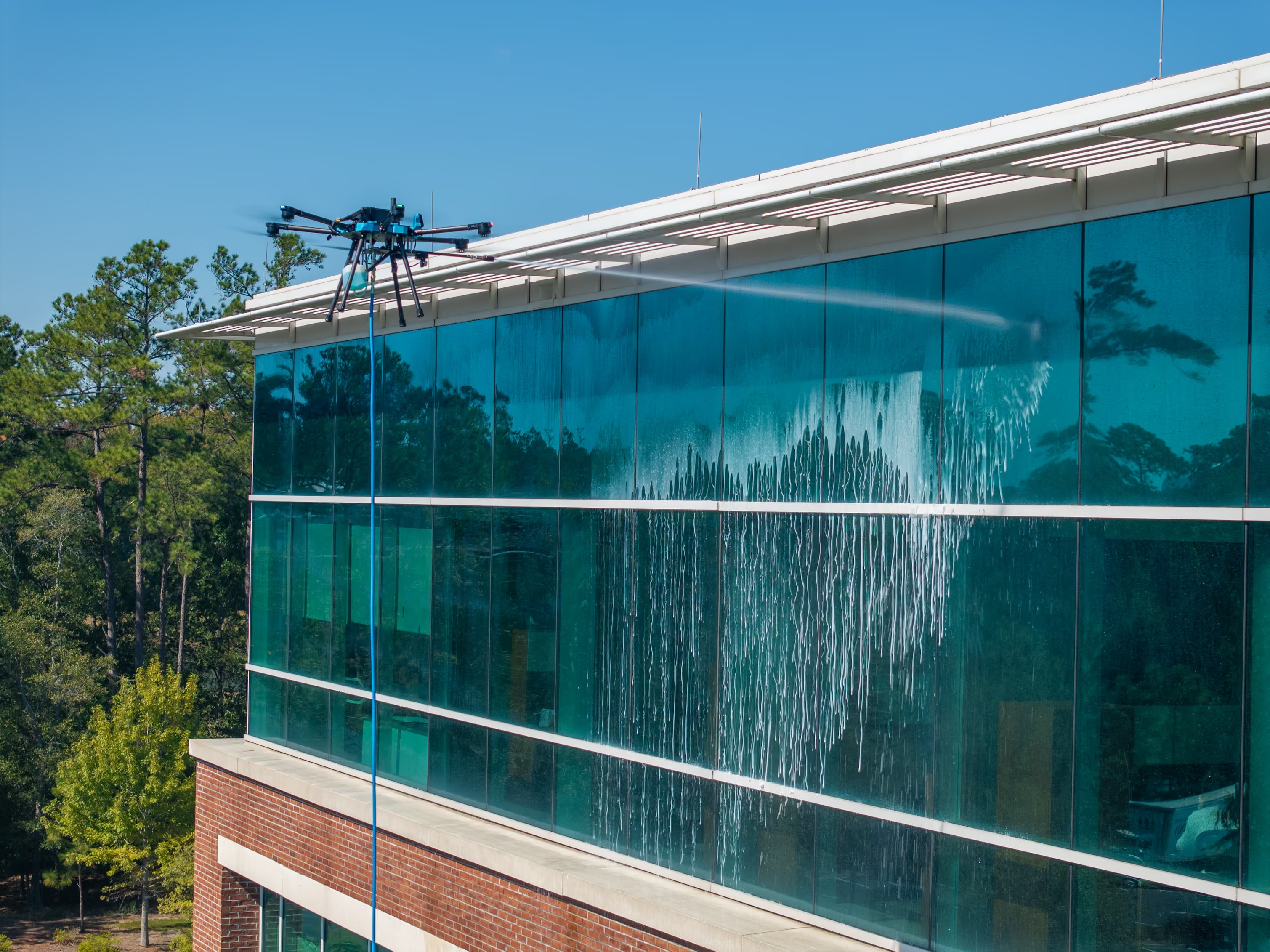
Shield payload combines precise pressure control with an extended lance, interchangeable nozzles, and a dedicated ground rig. It gives contractors and facility teams a practical way to extend completed cleaning work into compatible water-repellent applications.
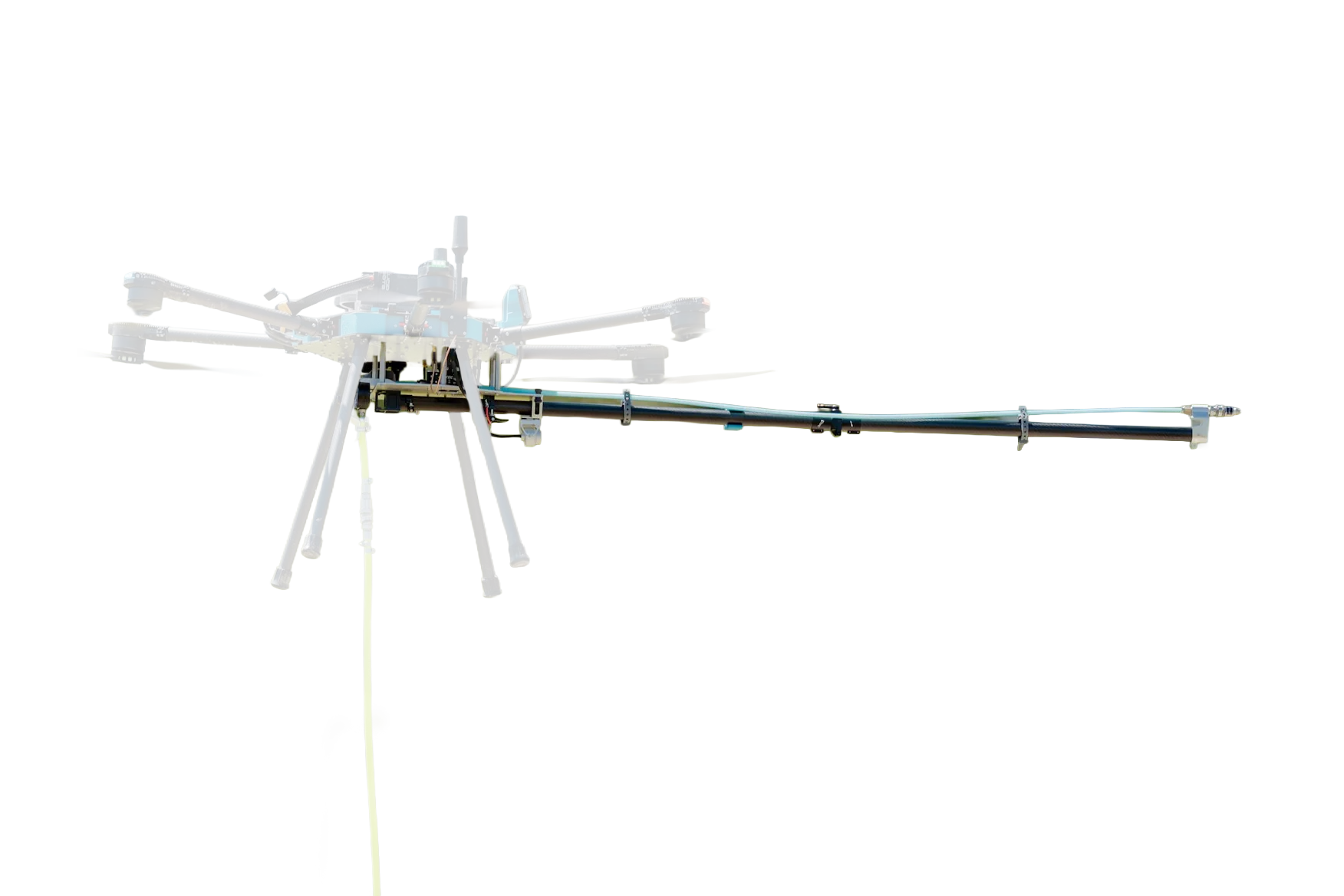
The published configuration calls for approximately 130 to 160 PSI at 1.8 GPM and a 1/4-inch connection. The ground rig listed with the payload includes a 25-gallon tank, pump, reel, and hose.
Yes, by closing the pores, dirt and contaminants sit on top of the concrete instead of penetrating it, making future cleaning faster, easier, and less frequent.
Surface must be dry prior to application. Excessive moisture inhibits penetration and reduces the service life and performance of the treatment. The current documented workflow recommends waiting at least 24 hours after cleaning, with additional drying time for porous surfaces or unfavorable conditions.
No. A penetrating water repellent enters below the surface of the substrate rather than forming a film on the surface, so it behaves differently from paint or a film-forming coating. Durability still depends on the treatment, substrate, application quality, pressure used during future cleaning, and environmental exposure.
Yes. The surface should be clean, dry, and free of dirt, residue, existing films, or incompatible treatments. Complete a test area and follow the selected treatment’s preparation and curing requirements.
Shield Payload is not positioned as a precision painting solution. Its current purpose is controlled application of validated water-based repellents and compatible protective treatments.
The strongest publicly documented combination is PROSOCO Siloxane WB Concentrate. Other water-based silane or siloxane treatments may be compatible after review, but every material must be evaluated against its TDS, SDS, viscosity, substrate requirements, and cleanup instructions.
Shield Payload is intended primarily for qualified porous concrete and masonry. Final compatibility comes from the selected treatment, not the payload alone, so every substrate should be reviewed and tested before full application. Check product data sheet for substrate compatibility before applying.
Lucid Bots is a Charlotte, North Carolina-based robotics company that builds commercial cleaning drones to take on dull, dirty, and dangerous exterior maintenance work.

.avif)